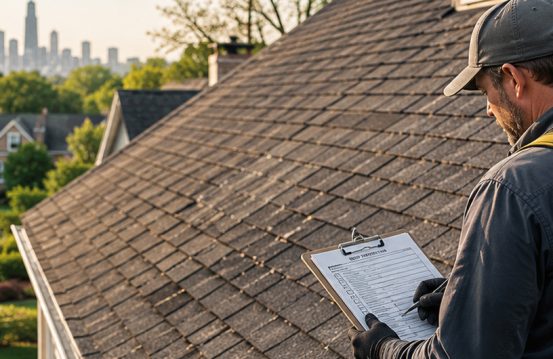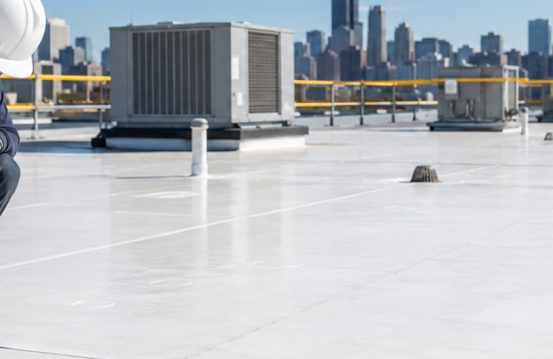

Flat roof leak problems are repairable without requiring a complete roof replacement. The fastest solution is cleaning the damaged area, applying flashing tape or roof sealant, and pressing it down. Nevertheless, to learn how to repair a leaking flat roof properly, you must first pinpoint the damage.
Flat roofs offer a practical and visually appealing roofing solution for your home. However, Chicago’s unpredictable weather can accelerate roof wear and increase the risk of leaks over time. You may notice a ceiling stain, persistent ponding water, or a soft area in the roof decking. Naturally, you start searching for how to repair a flat roof before minor damage becomes a major problem.
In this guide, we will cover step-by-step repair techniques, along with repair costs and professional replacement warning signs. We will also explore common failure causes, early warning signs, and safe inspection methods.
Start reading!
Common Causes of Flat Roof Leaks
Understanding the common causes of flat roof leaks beforehand saves your ceiling from expensive leak issues. Chicago weather brutally tests exterior building materials year after year. Spotting these weak points early prevents a minor patch from becoming a massive structural teardown:
1. Ponding Water from Clogged Drains
Flat roofs actually require a slight pitch to ensure proper water drainage. When drains clog with autumn leaves, heavy Midwestern rain creates standing water. Such constant moisture breaks down roofing membranes and creates severe structural stress.
2. Thermal Shock and Temperature Swings
Chicago weather delivers brutally freezing winters alongside scorching, highly humid summer days. This extreme temperature shift forces roofing materials to expand and contract rapidly. Eventually, the stretched membrane turns brittle and cracks wide open across vital seams.
3. Parapet Wall Flashing Failures
Metal flashing tightly seals the exact edges where your roof meets parapet walls. High Chicago wind gusts often pull these vital metal strips loose over time. Rainwater can easily slip right behind the separated joints and destroy your interior walls.
4. Membrane Blistering and Alligatoring
During intensely hot summer months, trapped moisture often bakes underneath the roofing membrane. The surface bubbles up and cracks into dry patterns that resemble rough alligator skin.
5. Poor Workmanship and Shortcuts
Sometimes the underlying issue involves a shady contractor taking major shortcuts years ago. When you skip the required primer or overlap seams incorrectly, it guarantees early roofing material failure. You sadly end up paying the heavy price for that rushed, cheap installation.
6. Punctures from Rooftop Foot Traffic
HVAC technicians or satellite dish installers often walk across flat roofs without caution. Dropped metal tools and heavy work boots easily puncture older, sun-baked roofing membranes. These tiny holes remain completely hidden until rainwater suddenly destroys your bedroom drywall.
Signs of a Leaking Flat Roof – The First Checks
Before grabbing a ladder for flat roof repair, figure out if you face isolated damage or total failure. Spotting damage as early as possible helps to determine how to stop a flat roof from leaking before structural rot sets in.
Look for these specific warning signs first:
- Brown ceiling stains: Check your top-floor ceilings for yellow or brown water rings after a heavy Chicago storm.
- Persistent ponding water: Look for deep puddles sitting on the membrane 48 hours after the rain stops.
- Spongy roof decking: Notice any soft, sinking feeling under your boots when walking across the roof surface.
- Separated metal flashing: Inspect the metal edges around your brick parapet walls for separated or rusted joints.
- Blistering membrane layers: Watch for bubbling sections of roofing material that look like raised, trapped air pockets.
- Sudden musty smells: Pay attention to damp odors lingering near your top-floor drywall or ceiling fixtures.
How to Find a Flat Roof Leak?
Finding the exact leaking spot of a flat roof is quite frustrating because trapped water travels along structural decking. Knowing exactly how to repair a flat roof leak starts with tracing water backward methodically. Follow these steps below to find a flat roof leak:
- Measure the interior stain: Measure the exact distance from your interior ceiling stain to the nearest exterior wall. This guides your rooftop inspection area.
- Transfer measurements outside: Transfer those interior measurements directly onto your roofing surface. To repair flat roof leak issues, you ought to closely examine this specific zone.
- Inspect the drainage areas: Chicago debris quickly clogs flat roof drains during autumn months. You must clear these areas thoroughly to spot underlying membrane cracks.
- Examine rooftop penetrations: Inspect the metal flashing near rooftop HVAC units carefully to find any penetration. Knowing how to repair a flat roof leak swiftly requires seamless detection of tears.
How to Repair a Leaking Flat Roof – Step By Step
Tackling a leak on a Chicago flat roof requires specific materials and absolute patience. Rushing this messy process guarantees your new sealant will peel off during the next deep freeze.
Follow these exact professional steps to create a permanent, watertight seal that survives harsh Midwest weather:
Step 1: Prepare and Clean the Area
Start your repair by thoroughly cleaning the damaged membrane surface directly around the puncture. A perfectly clean work zone guarantees your roofing sealant sticks permanently. Sweep away heavy debris, scrub away embedded dirt, and dry the entire exposed patch area completely before proceeding any further.
- Sweep away all loose gravel.
- Scrub the surface using soap.
- Rinse the membrane thoroughly with water.
- Wipe the area completely dry.
Step 2: Apply a Strong Roofing Primer
Brush a generous coat of roofing primer directly onto the dried surface area. This liquid chemical creates a powerful bond between your older roof and the fresh patch. Wait patiently until this primer layer feels sticky to the touch before sealing the flat roof leak.
- Pour primer into a small bucket.
- Apply an even liquid coating.
- Extend primer beyond the hole.
- Test the stickiness with gloves.
Step 3: Fill the Hole with Mastic
Spread heavy roofing mastic deep inside the puncture to block water entry instantly. You need a sturdy trowel to push this thick tar substitute firmly into every single crack. Create a smooth, level surface that completely covers the original damage without leaving any air gaps.
- Scoop mastic with a steel trowel.
- Force sealant into the membrane crack.
- Spread the material evenly around edges.
- Feather the edges down smoothly.
Step 4: Embed the Reinforcing Mesh
Press fiberglass reinforcing mesh directly into the wet mastic to add structural strength. This crucial fabric layer prevents your new sealant from splitting during freezing Chicago winter nights. Smooth out any trapped air bubbles beneath the mesh to ensure a completely flat, watertight weather seal.
- Cut the fiberglass mesh square.
- Center the fabric over the hole.
- Press it firmly into the sealant.
- Flatten all the raised wrinkles.
Step 5: Apply the Final Top Coat
Finishing the patch properly is the most important part of repairing a leaking flat roof. You must spread a final layer of thick mastic entirely over the embedded fiberglass mesh. Trowel this top protective coat smoothly to guarantee absolute long-term exterior waterproofing success.
- Apply another scoop of mastic.
- Cover the fiberglass mesh entirely.
- Feather the outer edges down.
- Let the sealant cure undisturbed.
How to Fix a Small Leak in a Flat Roof?
Fixing a small leak in a flat roof is completely possible. You can easily repair localized punctures, cracks, or loose seams yourself using specialized patch kits, rubberized roof patches, or liquid waterproof coatings.
Small membrane punctures allow freezing Chicago rain to destroy your interior structural decking very quickly. Learning how to fix a small leak in a flat roof can protect your property temporarily. However, repairing a minor flat roof leak yourself requires extreme caution.
Follow the steps below:
- Clear all standing water from the punctured area.
- Scrub the surrounding membrane using a stiff brush.
- Dry the cleaned surface completely with clean towels.
- Cut a membrane patch larger than the hole.
- Spread thick roofing mastic evenly over the crack.
- Press the new patch firmly into the sealant.
Flat Roof Repairs by Roof Type
A lasting flat roof repair should address the leak’s underlying cause instead of covering visible damage temporarily. Your roof type, existing condition, and damage location determine the most suitable repair method.
Take a look at the chart below:
| Roof Type | Common Issues | Typical Repair Approach |
| Felt | Splits, cracks, lifted laps, and failed previous repairs | Small leaks may need emergency coatings, while larger damage requires reinforced patches or liquid systems. |
| EPDM | Tears, punctures, and damaged seams | Use compatible EPDM primer, repair tape, and lap sealant for localized damage. |
| Asphalt | Cracks, blisters, wrinkles, and surface movement | Apply compatible waterproofing products to minor cracks and arrange professional repairs for extensive movement. |
| Concrete | Cracks, surface deterioration, and failed waterproofing | Clean and prime minor cracks before coating, while structural cracks require professional inspection. |
| Fibreglass/GRP | Cracks around trims, joints, and upstands | Sand and clean damaged areas before reinforcing them with matting, resin, and protective topcoat. |
Common Mistakes to Avoid While Repairing A Flat Roof Leak
In Chicago, if you make rookie errors, fixing a damaged roof often leads to bigger headaches. Avoid these common blunders to ensure your home stays completely dry:
- Skipping surface preparation: You must clean and dry the damaged area completely before applying any mastic sealant to the surface.
- Using pitched roof tar: It’s a must to use pitched roof tar instead of standard tar. It cracks quickly under harsh Chicago winter temperatures.
- Ignoring trapped moisture: Always inspect the underlying layers for any existing moisture before patching over a visible surface tear. Sealing over wet insulation rots your wooden structural decking rapidly.
- Applying sealant during rain: Patching during a Midwest storm guarantees failure. Wait for dry conditions before applying sealant or performing surface repairs. Wet membranes can prevent roofing products from bonding properly and create unreliable repairs.
- Forgetting reinforcing mesh: Patching open seams without mesh creates weak fixes. You must embed fiberglass fabric inside the wet coating as reinforcing strength to ensure lasting structural strength.
Repairing a Flat Roof Leak: DIY vs. Professional Repair
Minor flat roof problems may sometimes suit careful DIY repairs, particularly when damage remains small. Nevertheless, Chicago’s changing weather can worsen hidden damage, making professional assessment valuable when leaks persist.
Below is a comparison between DIY vs. Professional flat roof leak repair:
| Consideration | DIY Repair | Professional Repair |
| Small surface damage | Suitable for minor cracks, punctures, or isolated sealant failures | Can identify whether underlying damage extends beyond the visible area |
| Roof access | Requires safe access and appropriate equipment | Professionals have equipment and experience for safer roof access |
| Leak detection | You may identify obvious damage near visible leaks | Professionals can investigate concealed or complex water-entry points |
| Repair materials | Requires choosing products compatible with your roofing system | Contractors select materials suited to the existing roof membrane |
| Structural concerns | Not suitable for suspected decking or structural damage | Professionals can assess underlying deterioration and recommend repairs |
| Multiple leaks | Can become time-consuming and difficult to diagnose | Professionals can investigate multiple potential failure points systematically |
| Weather exposure | Repairs may fail when conditions affect application or curing | Professionals can recommend appropriate repair timing and methods |
| Long-term reliability | Works best for limited, clearly understood problems | Better suited for extensive, recurring, or complicated roof damage |
| Safety risks | Involves working at height and navigating potentially slippery surfaces | Experienced roofing professionals can manage these hazards appropriately |
| Best choice | Minor, accessible damage with a clearly identified cause | Persistent leaks, extensive damage, or uncertain underlying problems |
Verdict
DIY repairs can make sense for small, clearly identified problems when you understand your roof’s construction. For Chicago properties, addressing problems early can help prevent moisture damage from becoming more extensive. As a result, professional repair remains the safer choice when leaks persist, or underlying damage remains uncertain.
When to Replace a Flat Roof Instead of Repairing It?
It’s always a sustainable choice to repair a roof instead of complete replacement. However, sometimes, repairing a flat roof leak wastes money on an aging roofing system. Certain situations call for a full flat roof replacement.
Replace the entire membrane when water completely saturates those underlying insulation boards. Severe sagging across your exterior decking indicates structural rot that simple patches cannot fix. If your Chicago property needs constant patching every single spring, we recommend you invest in total replacement.
Quality flat roof installation and replacement guarantee lasting protection against harsh Midwestern winters. This smart upgrade can save you from facing expensive interior drywall damage down the road.
Your Next Steps In Chicago!
Fixing a leaking flat roof early saves your home from devastating interior water damage. Ignoring those small brown ceiling stains only guarantees a much more expensive structural repair down the road.
Now you know how to fix a flat roof leak in Chicago. But if you spot widespread moisture damage or sagging decking, put the tools down. That is a job for Dad.
At Dad Exteriors, we treat your Chicago home completely like our own. We show up on time, communicate clearly with photo updates, and do the job right without taking shortcuts. Stop letting a leaking roof stress you out today. Book a Dad Check today to schedule your comprehensive flat roof leak inspection!
FAQs:
1. How do I know if my flat roof is leaking?
Look for ceiling stains, damp insulation, bubbling surfaces, peeling paint, water pooling, or visible membrane damage. Persistent musty odors can also indicate hidden moisture beneath roofing materials.
2. How can I stop my flat roof from leaking long-term?
Identify and repair the underlying damage rather than covering symptoms. Professional inspection, compatible materials, proper surface preparation, and regular maintenance can help prevent recurring leaks and deterioration.
3. Can I repair a flat roof leak myself?
You can handle minor, accessible leaks using compatible repair products and careful preparation. However, recurring leaks, structural damage, or extensive membrane deterioration require professional roofing expertise.
4. What is the best way to repair a leaking roof?
The best repair depends on your roof type, leak source, and damage severity. Professional assessment helps identify underlying problems and select suitable materials for durable, weather-resistant repairs.