Most residential roofs last 15 to 30 years, depending on the material. Asphalt shingles average 15–25 years, standing seam metal lasts 40–70 years, and clay or concrete tile can last 50–100 years — but the real number for your home depends on installation quality, ventilation, and how much abuse Chicago weather puts it through.
Your roof protects everything you own and everyone you love inside your home. Age alone doesn’t tell you the true condition of your roofing system – Chicago’s extreme weather tests exterior structures more than most regions. High winds, heavy snow, and repeated freeze-thaw cycles degrade materials faster than national averages suggest.
Catching early warning signs prevents water intrusion from spreading into your walls and framing before major damage occurs. This guide breaks down average lifespans by material, the local factors that shorten them, and the 7 signs that mean it’s time to call a professional.
How Long Does a Roof Last? Average Lifespan by Roofing Material
Knowing the average roof life for different materials helps you plan your future home investments. Every roofing system offers unique durability benefits and distinct longevity expectations. Understanding these baseline timelines allows you to budget properly for necessary future exterior renovations.
| Roofing Material | Average Lifespan | Best For | Key Advantage |
|---|---|---|---|
| Asphalt Shingles | 15–25 years | Most residential homes | Affordable, widely available, easy repairs |
| Modified Bitumen | 12–20 years | Flat and low-slope roofs | Durable seams, proven flat-roof performance |
| TPO Membrane | 15–25 years | Flat roofs, energy efficiency | Reflective surface, strong heat resistance |
| Standing Seam Metal | 40–70 years | Long-term investment homes | Sheds snow, resists high winds |
| Clay & Concrete Tile | 50–100 years | Custom, high-end homes | Exceptional longevity and curb appeal |
1. Asphalt Shingles Provide Reliable Performance
Standard architectural asphalt shingles typically last between 15 and 25 years. Chicago weather frequently pushes these traditional materials toward the lower end of that lifespan. Proper attic ventilation can significantly enhance the overall structural durability of the attic.
2. Modified Bitumen Fits Flat Roofs
Chicago features many flat roofs that utilize modified bitumen membrane systems. These durable applications generally survive 12 to 20 years before failing. Regular roof inspections prevent minor seam separations from causing major internal water leaks.
3. TPO Systems Offer Modern Protection
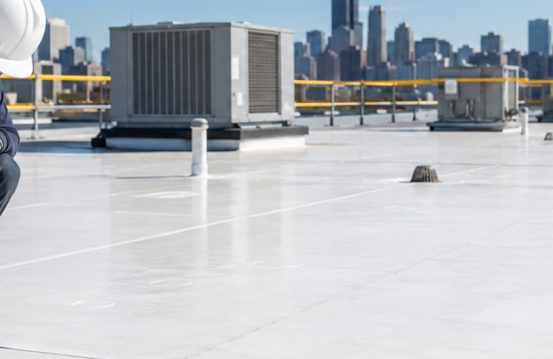
Thermoplastic Polyolefin systems provide excellent energy efficiency for flat structures. A properly installed TPO membrane lasts 15 to 25 years. The reflective white surface handles severe summer heat exceptionally well while resisting winter freeze damage.
4. Metal roof lifespan Exceeds Expectations
Standing seam metal roofs represent a premium long-term residential investment. You can expect these rugged systems to last 40 to 70 years. They can shed heavy snow easily and resist severe wind damage during seasonal storms.
5. Tile Roof Longevity Justifies Costs
Clay and concrete tiles provide incredible durability for custom homes. These heavy materials routinely survive 50 to 100 years. The underlying waterproof membrane usually requires replacement long before the exterior tiles fail.
What Factors Can Shorten Your Roof’s Lifespan in Chicago?
Several harsh environmental and structural elements of Chicago can impact your overall roof lifespan directly. Even premium materials may fail prematurely when subjected to constant abuse.
These local destructive forces help you protect your valuable home investment against early degradation and costly repairs:
1. Severe Temperature Fluctuations
Rapid temperature changes may cause roofing materials to expand and contract constantly. This thermal shock weakens adhesive seals and creates dangerous gaps. When moisture enters these small openings, it leads to structural rot.
2. Poor Attic Ventilation
Trapped heat and moisture inside your attic destroy roofing materials from underneath. The trapped moisture literally bakes your shingles during summer months. Furthermore, winter condensation rots out your wooden roof deck.
3. Heavy Snow and Ice Dams
During winter, accumulating snow adds immense weight to your structural framing components. Thawing snow refreezes on the eaves, forming destructive ice dams. The trapped water then backs up underneath your roof shingles.
4. High Wind Events
Chicago winds frequently lift shingles and break their protective adhesive seals. This continuous wind uplift leaves your underlayment completely exposed. Wind-driven rain then infiltrates your home through these damaged sections.
5. Deferred Maintenance and Debris Accumulation
Accumulated leaves and branches trap destructive moisture against your shingles. Moreover, clogged gutters force rainwater to run beneath your vulnerable roof seams. You must clear yard debris regularly to prevent premature structural failure.
6. Subpar Installation Practices
Poor initial workmanship guarantees premature failure for any exterior system. Missing flashing or incorrect nailing patterns can ruin your expensive roofing materials. Quality materials require expert installation to achieve their maximum lifespan.
7 Signs It’s Time to Replace Your Roof in Chicago
Knowing exactly how often you should replace a roof depends heavily on recognizing early symptoms. Identifying these clear roof replacement signs saves you from experiencing disastrous interior water damage. Monitor your property closely for these 7 critical exterior warning indicators:
1. Your Roof Is Approaching or Beyond Its Expected Lifespan
A roof that’s reached 15 years old on an asphalt shingle system is entering the end of its normal service life. If your roof has passed 20 years, the remaining lifespan is measurable in years rather than decades regardless of current appearance.
Chicago weather ages roofs faster than industry averages predict. Hence, accounting for regional climate matters significantly. You might see roofs that appear fine at 18 years because recent repairs addressed the worst problems temporarily. Professional inspection determines actual conditions rather than relying on age alone to make replacement decisions.
2. The Shingles Are Curling, Cracking, or Visibly Missing
Shingles that curl at the edges have lost their protective granular coating and are breaking down due to UV exposure. Cracks in these shingles allow water to penetrate the roof system, where it travels along underlayment before finding its way inside.
Missing shingles create obvious gaps that allow water to enter directly. However, partial shingles are equally problematic as they provide incomplete protection. Walking your roof or inspecting from the ground with binoculars can reveal these problems clearly if you look carefully.
Any combination of curling, cracking, and missing shingles indicates substantial material degradation requiring replacement.
3. Recurring Leaks in the Same Location
A single leak might result from a flashing failure or a storm-related event that repair can adequately address. Multiple leaks in the same area over successive seasons indicate the roof system is failing rather than experiencing isolated problems. Leaks that reappear after repair efforts mean the underlying material is deteriorated beyond recovery with patching.
Water is finding multiple pathways into your attic because the roof structure is compromised systemically. You might patch each leak as it appears, but replacement addresses the root cause and prevents continued damage.
4. The Roof Appears to Sag or Shows Visible Waves
Sagging indicates that the roof deck beneath the visible surface has rotted, or structural components are failing. It’s a serious structural problem that requires immediate attention because water damage spreads rapidly once rot begins.
Waves in the roof surface suggest uneven settling or hidden damage beneath that’s compromising structural integrity. Sagging should prompt emergency professional assessment because your roof’s structural integrity is questionable. Continuing to live under a compromised roof creates safety risks in addition to water damage expansion into your home.
5. Gutters Contain Excessive Shingle Granules
Large quantities of granules in gutters and downspouts indicate shingles are breaking down and losing their protective coating. Granule loss accelerates in older roofs and in climates with extreme temperature swings like Chicago experiences. Some granule loss is normal weathering, but excessive accumulation indicates your roof material is failing.
You can collect gutters full of granules and spread them in your hand to see how deteriorated your shingles have become. Widespread granule loss across most of the roof signals replacement should be planned within the next year or two.
6. You See Moss, Mold, or Significant Water Staining
Moss and mold growth are a sign that moisture persists on your roof surface. It accelerates deterioration and indicates ventilation issues. Mold especially may create health risks if spores enter your home through attic spaces or during roof work.
Water stains on attic framing or insulation prove water has penetrated your roof and is spreading into the home’s structure. Even if stains appear small, the leak that created them may have been occurring for months before becoming visible. A professional water intrusion assessment determines how extensively moisture has traveled before you decide on repair versus replacement.
7. You’ve Experienced Recent Storm Damage
Storm damage on roofs might appear minor initially – a few missing shingles or dented areas. Nevertheless, compromised sections deteriorate rapidly. Chicago summer storms bring hail that punctures shingles and creates pathways for water to penetrate, which spreads over time.
Falling tree branches create obvious damage, and high winds lift shingles and separate them from the deck. Storm damage assessment should be thorough because secondary damage becomes evident only as wind and water exploit compromised areas. Claims adjusters sometimes underestimate damage that shows up months later as the roof continues deteriorating.
Roof Repair vs. Roof Replacement: How Do You Decide?
Understanding roof repair vs replacement saves you money and prevents unnecessary stress. Homeowners often struggle to choose between patching damage or installing a new system. Making the right structural decision depends heavily on material age and the extent of the overall damage.
You must evaluate the true condition of your residential roofing system thoroughly. A localized problem does not always justify a complete tear-off. However, spending money on continuous temporary fixes wastes your financial resources.
Before making recommendations, professional exterior contractors will assess the structural integrity of your decking. They inspect the flashing, ventilation, and underlayment to determine the root cause of the failure.
Age remains the most critical determining factor in this important decision. Replacing a few damaged shingles on a 5-year-old roof makes perfect financial sense. Patching a 20-year-old system only delays the inevitable failure by a few months.
Extensive moisture infiltration always necessitates a complete structural overhaul. You must remove the compromised layers to prevent dangerous mold growth inside your attic. We suggest you consider your long-term plans for the property before proceeding with any project. A brand new roof adds notable curb appeal and immense resale value to your home.
Choose roof repair when:
- The roof is under 10 years old.
- Damage is isolated to one specific area.
- You have a few missing shingles.
- The underlying structure remains completely dry.
- A recent storm caused minor surface issues.
Choose roof replacement when:
- The system exceeds its expected lifespan.
- Leaks appear in multiple interior rooms.
- The structural decking shows signs of sagging.
- Shingles are actively curling or cracking.
- Moisture damage spreads throughout the attic.
How to Extend the Life of Your Roof?
Regular maintenance catches small problems before they become expensive failures that shorten your roof’s remaining life.
Simple habits protect your investment and maximize the value you receive from your roofing system. Attention to these roof maintenance tips can add years to your roof’s functional lifespan and prevent emergency situations.
1. Clean Your Gutters Regularly
Clogged gutters force heavy rainwater to back up directly under your delicate roofing materials. You must clear debris every spring and fall to maintain proper exterior water drainage systems.
2. Trim Overhanging Tree Branches
Large branches scrape aggressively against your shingles during heavy wind storms. Falling limbs cause severe impact damage that compromises your waterproof barrier. Keep all surrounding yard trees trimmed back safely.
3. Ensure Proper Attic Insulation
Adequate insulation prevents heated indoor air from escaping into your cold attic space. This temperature control stops destructive ice dams from forming along your exterior roof edges during winter.
4. Schedule Annual Inspections
A professional roof inspection uncovers hidden damage before it ruins your home. Experts can efficiently identify subtle roof aging signs that average homeowners simply cannot see from the ground level.
5. Address Minor Repairs Immediately
You should never ignore a small ceiling stain or a missing shingle. Fixing minor issues quickly prevents moisture from rotting your expensive wooden structural decking and interior framing.
What to Expect During a Roof Replacement?
Understanding the replacement process helps you prepare and know what’s normal during the work. Planning ahead prevents surprises and ensures the process goes smoothly with minimal disruption to your household.
1. Inspection and Assessment Before Work Begins
Your contractor will first thoroughly inspect the underlying roof deck to identify required structural repairs before installation begins. Replacing rotted wooden boards ensures a solid foundation. Such detailed assessment reveals hidden damage that might increase project costs.
2. Complete Tear-Off of Existing Roofing Material
The experts will completely remove all old existing shingles, underlayment, and flashing down to the bare wood deck. It’s an remarkably noisy process that creates notable debris. Nevertheless, it actively prevents future problems by exposing hidden structural damage immediately.
3. Installation of Underlayment and Flashing
Quality waterproof underlayment is carefully installed across the entire roof deck to provide essential secondary protection. Expert installers then place essential flashing around vulnerable transition points and penetrations to effectively prevent any future water leaks.
4. Shingle or Membrane Installation with Proper Fastening
Professional crews install your new roofing materials strictly following exact manufacturer specifications and rigid overlap requirements. Skilled professionals use precise fastening patterns to prevent premature seam separation and guarantee enduring weather protection for the home.
5. Final Inspection and Cleanup
Your dedicated contractor finally performs a meticulous final walkthrough to ensure every detail meets strict quality standards. The crew thoroughly cleans the entire job site, completely restoring your landscaping before you provide the final payment approval.
Why Chicago Homeowners Trust Dad Exteriors for Roof Replacement?
Finding a reliable local contractor in Chicago eliminates the anxiety of major home renovation. Dad Exteriors brings exceptional craftsmanship and transparent communication to every single project across the greater Chicago area.
Homeowners choose us because we understand local weather challenges and deliver honest recommendations based on what your roof needs. Our approach prioritizes your home’s protection and your peace of mind over maximizing job scope or upselling unnecessary work:
1. Local Roofing Expertise
Our expert team recommends specific structural systems designed to withstand extreme local temperature shifts and heavy snowfall. Dad Exteriors deeply understands how brutal Chicago winters destroy inferior building materials.
2. Honest Recommendations
You will receive legitimate assessments regarding how long a roof lasts on your home. Our dedicated team never pressures you into buying unnecessary replacements when simple targeted repairs suffice perfectly.
3. Clear Communication
Contractors provide consistent photo updates throughout the entire installation process. You will receive guaranteed arrival windows. As a result, you will never waste your valuable personal time waiting for workers to appear.
4. High-Quality Workmanship
Our experienced crews refuse to cut corners or rush complex structural installations. Every project strictly follows proprietary Dad Standards to guarantee remarkably long-lasting weather protection and exceptional visual appeal.
5. Thorough Inspections
Our detailed inspection (Dad Check) identifies hidden moisture vulnerabilities before they cause catastrophic internal damage to your valuable residential property. The signature Dad Check evaluates your entire exterior envelope comprehensively.
6. Premium Materials
Dad Exteriors partners exclusively with top-tier manufacturers to provide exceptional durability. Expect the absolute highest quality architectural shingles and advanced flat roofing membranes available on the modern market.
7. Warranty Support and Customer Focus
Gain absolute peace of mind through robust written warranty guarantees. Our dedicated customer-first approach ensures that any future maintenance concerns receive immediate professional attention and swift final resolution.
Find Out If Your Roof Needs Repair or Replacement
Understanding how long a roof lasts empowers you to make smart decisions. You should never ignore early warning signs like curling shingles or active ceiling leaks. Early expert inspections help homeowners avoid significantly larger expenses down the road. Delaying maintenance may lead to catastrophic structural failures.
If you feel unsure about the true condition of your roof and whether it needs repair or replacement in Chicago, contact Dad Exteriors. When you call on us for exceptional roofing services, we treat your house exactly the way we’d treat our own. No shortcuts, no nonsense – just honest work done right the first time.
Schedule a professional roof inspection with our team today to protect your investment.
FAQs
1. Does Homeowners Insurance Cover Roof Replacement?
Insurance policies typically cover complete replacements only if unexpected storm damage caused the failure. Routine wear and gradual aging remain the exclusive financial responsibility of the individual property owner.
2. When Is the Best Time of Year to Replace a Roof?
Late summer and early fall provide the absolute best weather conditions for proper installation. The mild temperatures help specialized adhesive materials seal perfectly against strong winter wind threats.
3. Can I Install a New Roof Over My Existing Shingles?
While legally possible, layering new shingles over old materials traps destructive heat and moisture. Professional contractors highly recommend a complete tear-off to ensure maximum longevity and structural safety.
4. Will a New Roof Increase My Home’s Resale Value?
A brand-new roofing system dramatically improves essential curb appeal and structural integrity. Prospective home buyers willingly pay premium market prices for houses featuring secure and upgraded exterior protection.
5. How Often Should I Schedule A Professional Roof Inspection?
You should schedule comprehensive expert inspections every single year. Moreover, request immediate professional assessments following any severe local hailstorms or unusually high wind events in your neighborhood.