Chicago weather is notoriously unstable. Throughout the year, your roof has to handle high winds, heavy rain, snow, and summer heat. During the colder months, ice dams can form when melting snow refreezes along the roof’s edge and prevents optimum drainage. As water backs up beneath the roofing materials, it can cause leaks, wood rot, mold growth, and costly structural repairs.
One of the most important yet often overlooked components that helps prevent these problems is roof decking. Whether you are repairing storm damage or replacing an aging roof, it protects your home from moisture intrusion.
Roof decking is the solid structural layer that is installed under the roofing system and over the roof framing. While it remains hidden from view, it serves as the foundation of your entire roofing system. The layer creates a crucial base supporting shingles, vents, underlayment, and other roof materials for long-term performance.
If roof decking weakens due to moisture, age, or rot, it can compromise the entire roofing system. Water seeps deeper into your home and can cause costly repairs. Understanding how it works can save you from expensive repairs and replacements.
In this guide, we will explain how roof decking safeguards your property, the highest-quality materials used, warning signs of deterioration, and replacement strategies. We will also clarify the installation standards along with the cost factors.
What Is Roof Decking?
Roof decking, or roof sheathing, is the structural layer installed over a home’s rafters or trusses. It sits between the roof framing and the outer roofing materials you see from outside. In most modern homes, builders use plywood or oriented strand board (OSB) for roof decking.
Structural roof decking creates a strong, stable surface for the entire roofing system. The process helps spread weight evenly across your entire roof structure. Without properly installed decking, shingles and underlayment would lack the solid base needed for long-term performance and durability.
How Does Roof Decking Protect Your Home from Water Damage?
Roof decking does more than hold up your shingles. It serves as the last line of defense between outside moisture and the inside of your home.
When it’s solid and properly installed, water has nowhere to go but off the roof and into your gutters. We have elaborated below how effective roof decking secures your home from moisture damage:
1. Last Line of Defense
Roof decking acts as the last line of defense against outside moisture and storms. It sits beneath underlayment and shingles, catching anything that slips through it. When it stays solid, water drains safely off the roof instead of seeping inside.
2. Layered Waterproofing System
Decking works alongside underlayment to form a layered barrier against water intrusion year-round. Shingles deflect most of the rain, while underlayment catches whatever moisture slips past them.
The decking beneath stays dry, which keeps every shingle and fastener tight and secure.
3. Protects Attic and Structure
Solid decking keeps moisture from pooling against your attic insulation and ceiling joists below. Trapped water encourages mold growth, wood rot, and bowing that gradually worsens over time. You often won’t notice the damage until repairs become far more expensive.
4. Prevents Hidden Roof Damage
A roof can look perfectly fine from the curb while decking quietly fails underneath it. Soft spots develop slowly, hidden beneath layers of shingles and underlayment material.
When you catch this early, it protects your home from sudden, costly water damage appearing indoors.
Why Roof Decking Is So Important?
The purpose of roof decking services goes beyond simple support. It ties your entire roofing system together and distributes weight evenly across the rafters, resisting wind uplift during storms. No matter how good the shingles look, a roof without solid decking is structurally unsound.
Below, we have elaborated on why roof decking is important for long-term home protection:
1. Prevents Water Intrusion
It keeps your underlayment flat and properly sealed. As a result, wind-driven rain and melting snow can’t sneak past the surface.
A wavy or uneven deck creates gaps beneath the membrane. Eventually, those gaps become the exact leak paths homeowners discover during a heavy spring storm.
2. Secures Roofing Materials
It provides the flat, stable nailing surface that shingles and fasteners need to stay firmly secured during high wind events.
Without solid decking underneath, even premium shingles loosen over time, lift during storms, and expose your roof to leaks. The worst part is that all these happen far sooner than the warranty suggests.
3. Supports Structural Loads
A sound roof decking supports the heavy weight of snow, ice, and foot traffic whenever crews climb up for routine inspections.
Sagging or soft decking can’t bear that load safely. It puts both your roof’s structure and anyone working on it at real risk during winter.
4. Protects Your Home’s Interior
Moisture damage builds slowly and silently behind the drywall over time. Trapped water reduces insulation’s effectiveness and drives up energy bills.
These issues often go unnoticed until staining or sagging finally appears on your ceiling below. A durable structure protects your attic insulation and ceiling from this hidden moisture damage.
5. Preserves Property Value
Because buyers’ home inspectors check decking condition closely before any sale closes, a well-built roof deck affects your home’s resale value directly.
Soft or rotted decking during an inspection can delay a sale. It may also trigger costly negotiations or force last-minute repairs you never planned to budget for.
Common Types of Roof Decking Materials
Most homes use one of a handful of common roof decking components. Each of these comes with its own strengths. The right choice depends on your climate, your roof style, and how long you plan to stay in your home.
Knowing what’s available helps you ask smarter questions during a quote:
1. Plywood (CDX)
Plywood roof decking is a strong, moisture-resistant choice made from layered wood sheets. It holds fasteners well and dries out faster than other panel materials after getting wet.
Key advantages:
- High structural strength.
- Performs well in varying weather.
- Cost-effective installation.
- Resists splitting and cracking.
2. Oriented Strand Board (OSB)
OSB is the most common decking material in new construction today. It’s affordable and consistent, but it swells permanently once it absorbs sustained moisture.
Key advantages:
- More affordable than plywood.
- Consistent manufactured quality.
- Strong structural performance.
- Sustainable, eco-friendly option.
3. Traditional Wood Planks
Solid wood plank decking is common in older homes featuring 1×6 or 1×8 boards. The traditional construction creates attractive exposed ceilings but requires more labor and materials during replacement. Individual boards run across the rafters with small gaps between them.
Key advantages:
- Showcases natural wood grain ceilings.
- Longer installation process required.
- Requires tight gaps under 1/8 inch.
- Common in historic home restorations.
4. Corrugated Metal Decking
Corrugated metal decks are common for commercial and flat-roof structures. It resists rot entirely and pairs well with TPO and modified bitumen systems.
Key Advantages:
- Highly resistant to moisture damage.
- Excellent strength for long spans.
- Lightweight compared to concrete systems.
- Ideal for commercial roofing applications.
5. Concrete
Common on commercial buildings and some flat residential roofs, concrete is heavy and durable as a roof decking material. However, it requires specialized structural framing to support the load.
Key Advantages:
- Extremely durable and long-lasting material.
- Excellent fire and weather resistance.
- Provides strong structural load support.
- Requires reinforced framing systems support.
Installation Standards and Best Practices
The right roof decking installation determines how well your roof performs for decades. Even premium materials fail early if they are installed with the wrong spacing, fasteners, or climate considerations. A rushed installation often costs more in repairs than it saved in labor.
Professional roofing experts understand these standards and implement them across all projects:
1. Spacing And Fastening Requirements
- Panels need small gaps, usually around 1/8th of an inch, to allow for natural expansion.
- Nails should lie spaced according to local building code, typically 6 inches along the edges and 12 inches in the field.
- The ends of all the panels need to land on the trusses or rafters for ideal support.
- Compared to standard nails, decking screws or ring-shank nails provide superior holding power.
- Skipping proper fastening schedules leads to squeaky, loose, or lifting panels within a few years.
2. Special Climatic Considerations
- Chicago’s freeze-thaw cycles put extra stress on decking, especially around eaves where ice dams form. Builders often add ice and water shield membranes in these zones for extra protection.
- Ventilation matters just as much as fastening. It’s because trapped attic moisture rots decking from underneath even when the surface stays dry.
- In areas experiencing high wind, additional fastening patterns might be important for an added layer of security.
Roof Decking Inspection Checklist
Knowing how to inspect roof decking helps you catch problems before they turn into emergencies. You don’t need to climb on the roof to do a basic check. Most signs show up in your attic itself.
Walk through this list during your seasonal home maintenance routine.
- Inspect the attic for stains or moisture.
- Check for warped areas on the roofline.
- Have your roofer inspect decking after tear-off.
- Monitor repeated leaks in the same area.
- Maintain photos of damaged decking for records.
- Replace damaged, rotten, or weakened decking sections.
- Evaluate attic ventilation during roof replacement work.
- Never install new shingles over damaged decking.
Roof Decking Cost Factor
Several variables affect what you will pay for replacing the roof decking. You may often underestimate how much they add up.
The replacement cost often varies based on roof size, material choice, labor requirements, and regional factors. For instance, plywood decking typically runs higher than OSB per sheet when considering both materials and labor.
Here’s a table of the most common cost factors and their pricing range:
| Cost Factor | Typical Cost Range |
| OSB roof decking (materials only) | $0.70–$1.10 per sq. ft. |
| CDX plywood roof decking (materials only) | $1.20–$2.00 per sq. ft. |
| Labor for new roof decking installation | $2.00–$4.00 per sq. ft. |
| Roof tear-off and debris disposal | $1.00–$2.50 per sq. ft. |
| Total roof redeck (1,500 sq. ft. roof using plywood) | $5,000–$10,000 total |
Professional roofing services enable homeowners to understand the cost difference. Based on the specific situation and your budget, you can make an informed decision.
What Causes Roof Decking to Fail or Rot?
Roof decking doesn’t fail overnight. It breaks down gradually. Usually, it happens because of a combination of moisture exposure and poor airflow that stays unnoticed for years. Identifying the cause helps prevent the same problem from coming back after a repair.
Poor attic ventilation is one of the biggest culprits. It’s because trapped humid air condenses against the underside of the decking. The shingles may look fine, but the moisture can weaken your roof decking with time.
The other common causes include:
- Persistent roof leaks.
- Cracked or missing shingles.
- Inadequate attic ventilation.
- Ice dams during winter.
- Blocked rain gutters.
- Worn roof flashing.
- Improper roof installation.
- Severe storm damage.
- Attic condensation buildup.
Signs of Water Damage to Roof Decking
Water damage rarely announces itself with a dramatic leak right away. Most homeowners notice subtle clues first, often from inside the attic rather than from the roofline itself. Catching these signs early gives you the scope to opt for a roof repair instead of a roof replacement.
- Warping sections of roofline, visible dips, or uneven shingle lines often point to decking that has lost its structural strength.
- Inside the attic, dark spots, peeling paint, or a persistent musty smell usually mean moisture has been sitting against the wood.
- Curling or buckling shingles can also signal that the surface beneath them has shifted or softened.
- Do you see visible daylight through the attic roof boards? It’s a clear warning that gaps have developed in the roof structure.
- Repeated roof leaks, especially in the same area, often indicate that moisture has compromised the roof decking.
How Roofers Replace Damaged Roof Decking?
Roof decking replacement involves more than simply swapping out old wood. Professional roofers follow a structured process to rebuild a solid foundation that protects your home from future water damage:
1. Remove the Existing Roofing Materials
Roofers remove the shingles, underlayment, and other roofing components to expose the roof decking for a complete inspection.
2. Inspect and Remove Damaged Decking
The exposed decking goes through inspection for soft spots, water stains, rot, and structural damage. Experts remove any compromised panels unless deterioration has spread across most of the surface.
3. Install New Roof Decking Panels
They cut the replacement panels to the correct size and securely fasten them according to local building codes. It creates a strong and level foundation for the roof.
4. Apply Moisture Protection
After the new decking is in place, fresh underlayment and ice and water shield go down. It helps prevent water intrusion and protects the roof from future moisture damage.
5. Install the New Roofing System
Finally, the crew installs the new shingles or selected roofing material over the protected decking. This restores your roof’s durability, weather resistance, and long-term performance.
Tips to Prevent Water Damage to Roof Decking
A little prevention goes a long way toward avoiding expensive roof decking repair down the road. Most of these steps take minimal effort but make a real difference over the life of your roof.
Including these in your annual home maintenance routine pays off:
- Keep gutters and downspouts clear so water drains away from the roofline.
- Schedule a professional roof inspection at least once a year.
- Improve attic ventilation to reduce trapped humidity against the decking.
- Replace cracked or missing shingles quickly instead of waiting.
- Check flashing around chimneys and vents for gaps or rust.
- Address ice dams promptly during winter months to limit water backup.
Protect Your Investment With Professional Services
Your roof decking works quietly behind the scenes and supports your family’s comfort every day. Don’t wait until leaks, sagging, or water damage become visible. By then, the underlying damage may already be extensive and expensive to repair.
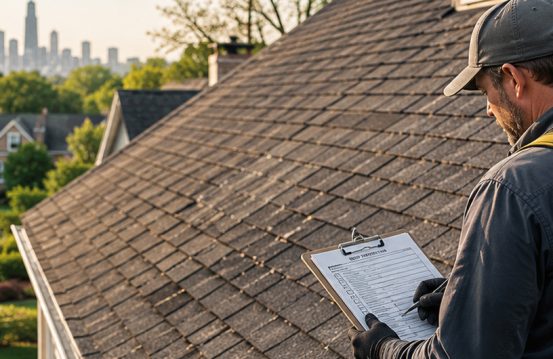
That’s exactly why we built our Dad Check inspection around finding decking problems at the early stages. Our crew shows up on time, documents everything with photos, and explains what we find in plain language. Once you understand what roof decking is and how it protects your home, a quick inspection stops fees from being mandatory.
If your decking needs attention, we will show you exactly where and why before we touch a single board. That’s the difference between done and done right. Reach out today and let Dad take a look.
FAQs
1. What is roof decking and why is it important?
Roof decking is the solid layer fastened to your home’s rafters that supports underlayment and shingles. It matters because it holds your roofing system together, resists wind uplift, and blocks moisture from your home’s interior.
2. How long does roof decking last?
A high-quality roof decking typically lasts 20 to 50 years, depending on the materials. In humid climates, plywood and wood planks generally outlast OSB. At the same time, proper attic ventilation extends the lifespan of any decking material.
3. Can water-damaged roof decking be repaired?
Yes, when damage is limited to isolated sections, a professional roofer can cut out and replace those panels. Widespread rot or softness usually requires a full redeck, since leaving compromised wood in place risks structural failure.
4. What are the signs of rotting roof decking?
Common signs include buckling rooflines, soft or spongy spots, dark water stains in the attic, musty odors, and curling or buckling shingles. If daylight is visible through the boards, it also indicates serious deterioration that needs prompt attention.