If you live in Chicago, you know that the weather can change in an instant. One moment, the sun is shining, and the next, dark clouds roll in, winds pick up, and a severe thunderstorm is moving through the neighborhood.
The recent storms that swept across Chicagoland were a powerful reminder of just how quickly Mother Nature can impact our homes. High winds, heavy rain, hail, and widespread power outages affected communities throughout the region, leaving homeowners to assess damage and wonder whether their homes escaped unscathed.
For many homeowners, the damage from a storm is immediately obvious. Tree limbs may be scattered across the yard, gutters may be hanging loose, or shingles may have been torn from the roof. But while visible damage demands immediate attention, the true threat often lies in what you can’t see.
This guide explores hidden storm damage and how to navigate Chicago’s unique weather challenges. We’ll also cover professional post-storm inspections and proactive ways to protect your home.
Start reading!
The Hidden Threat of Unseen Storm Damage
When evaluating the recent storm damage in the Chicago area, it has highlighted how vulnerable residential properties can be during extreme weather events. In more severe cases, large branches can puncture roofing systems, siding can become detached, and water can find its way into areas of the home that were previously protected. While these visible signs of damage demand attention, they are often only part of the story.
What many homeowners don’t realize is that some of the most costly residential storm damage is the damage you cannot see. A roof may appear perfectly fine from the ground, while hidden issues are developing beneath the surface. High winds can loosen shingles without completely removing them.
Hail can bruise roofing materials and weaken their ability to protect the home. Flashing around chimneys, vents, and skylights can become compromised.
Small punctures can form in roofing membranes, creating pathways for water intrusion that may not reveal themselves until weeks or even months later. This type of hidden roof damage from storms can remain undetected until leaks or structural issues begin to appear.
Navigating Chicago’s Unique Weather Challenges
Because of the climate, Chicago homes face unique challenges when it comes to severe weather. Unlike many parts of the country that experience relatively consistent conditions, homes throughout Chicagoland must endure dramatic seasonal changes.
Freezing winters, heavy snow, spring rain, summer storms, and fluctuating temperatures all take a toll on exterior systems.
Roofing materials expand and contract throughout the year. Masonry absorbs moisture and endures repeated freeze-thaw cycles. Decking systems are exposed to snow, ice, direct sunlight, and heavy rainfall. By the time a major storm arrives, many of these components have already been subjected to years of stress.
Protecting Chicago’s Architecture
These ongoing seasonal stressors are particularly true for the older homes that make Chicago neighborhoods so distinctive. From historic Greystones and brick two-flats to century-old residences throughout Lincoln Park, Lakeview, Bucktown, and the North Shore, many properties require specialized maintenance and care. Storms often expose vulnerabilities that may have been developing for years.
What appears to be sudden storm damage is sometimes the result of an existing issue that severe weather simply brought to the surface.
One of the biggest mistakes homeowners make after a major weather event is assuming that no visible damage means no damage occurred. In reality, some of the most significant issues begin as minor problems that go unnoticed.
A slightly lifted shingle may not seem concerning, but it can allow water to penetrate beneath the roofing system during the next rainfall. A small crack in masonry may gradually allow moisture into the wall assembly.
Damaged flashing can create a leak that remains hidden until interior finishes begin to show signs of staining. By the time these issues become visible inside the home, repairs are often more extensive and costly than they would have been immediately following the storm.
The Value of Professional Post-Storm Inspections
To uncover these invisible issues, professional evaluation is key. That is why post-storm inspections are so important.
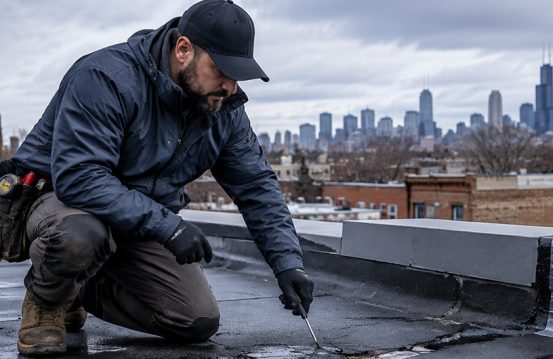
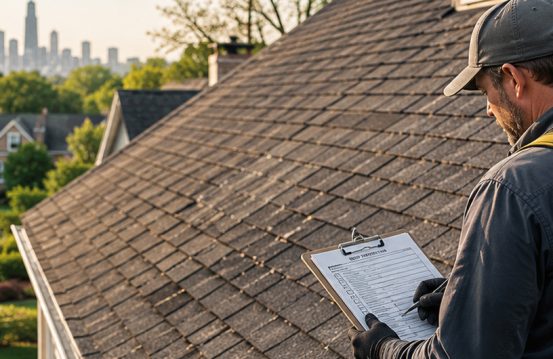
A professional storm damage inspection in Chicago can help identify hidden damage before it develops into a larger problem. Rather than focusing only on what can be seen from the ground, a comprehensive inspection evaluates the entire exterior envelope of the home.
Roofing systems, flashing details, gutters, downspouts, siding, masonry, chimneys, skylights, rooftop structures, decking, and drainage systems all work together to protect the property. When one component fails, the effects can extend far beyond the original area of damage.
Storm damage is rarely isolated to a single part of the home. A severe weather event that impacts the roof may also affect gutters, masonry, siding, and drainage systems simultaneously. Strong winds can loosen materials while heavy rainfall exposes weaknesses in waterproofing systems.
Fallen branches can damage multiple exterior surfaces at once. Because these systems are interconnected, it is important to evaluate the home as a whole rather than focusing on a single visible issue. Comprehensive Chicago storm damage restoration ensures all affected systems are properly repaired together.
Proactive Solutions to Minimize Future Damage
Fortunately, while no homeowner can prevent severe weather, there are several steps that can help minimize damage when storms occur. One of the most effective strategies is maintaining the property’s routine exterior maintenance.
Small storm damage roof repairs that are postponed often become major vulnerabilities during severe weather. A loose shingle, deteriorating masonry joint, clogged gutter, or damaged flashing detail may seem minor during a dry summer day, but those same issues can quickly become points of failure during a storm.
Addressing maintenance concerns proactively is one of the most effective ways to protect a home from future damage.
Proper drainage also plays a critical role in storm preparedness. Gutters and downspouts are designed to move water away from the home, protecting roofing systems, foundations, masonry, and landscaping. When gutters become clogged with leaves and debris, water can back up beneath roofing materials or overflow onto exterior surfaces.
During periods of heavy rain, poor drainage can create problems that extend well beyond the roof itself. Ensuring that gutters and downspouts remain clean and functional throughout the year is a simple but important step in protecting a home.
For some homeowners, preparing for future storms may also involve upgrading aging exterior systems. Roofing materials, waterproofing methods, flashing details, and decking products have evolved significantly over the years.
Modern materials often provide greater durability and improved performance compared to older systems. While replacement is not always necessary, evaluating the condition of existing materials can help homeowners make informed decisions about long-term investments that improve resilience and reduce future maintenance costs.
Another valuable practice is scheduling regular exterior evaluations, even when there has not been a recent storm. Most homeowners understand the importance of servicing their HVAC system or scheduling routine vehicle maintenance.
The same philosophy applies to a home’s exterior. Annual inspections can identify developing issues long before they become emergencies, allowing homeowners to address concerns on their own timeline rather than reacting to unexpected failures.
Preparing for Whatever Comes Next
As you evaluate your property, remember that if your neighborhood recently experienced severe weather, it is worth taking a closer look at your property. Visible signs such as missing shingles, damaged gutters, fallen branches, new masonry cracks, or water stains should never be ignored.
However, even if everything appears normal, there may still be hidden damage that deserves professional attention. The cost of identifying a small issue today is often far less than the cost of repairing a major problem later. Prompt storm damage repair services in Chicago can prevent escalation.
At Dad Exteriors, we understand Chicago weather because we experience it right alongside our clients. We have seen firsthand how quickly a summer storm can impact a home and how often hidden damage goes unnoticed until it becomes a larger issue.
From roofing and masonry to decking and exterior repairs, we have helped homeowners recover from severe weather damage in Chicago and the North Shore while also preparing their homes for future storms.
More importantly, we believe prevention is just as valuable as repair. A thorough inspection, honest assessment, and proactive maintenance plan can help homeowners avoid unnecessary surprises and protect one of their largest investments. Storms are an unavoidable part of life in Chicago, but costly damage does not have to be.
As we move deeper into storm season, now is the perfect time to evaluate your home’s exterior, address small concerns before they grow, and make sure your property is prepared for whatever weather comes next.
Recent storm damage in the Chicago area served as a reminder that severe weather can arrive without warning. The best time to prepare for the next storm is not when it appears on the forecast. It is today.
By taking a proactive approach to maintenance, inspections, and repairs, homeowners can better protect their properties, preserve their investments, and gain peace of mind knowing their home is ready for whatever Chicago weather has in store.
If you are concerned about hidden storm damage or want to ensure your home is fully prepared for the next severe weather event, contact Dad Exteriors today to schedule your comprehensive Dad Check.